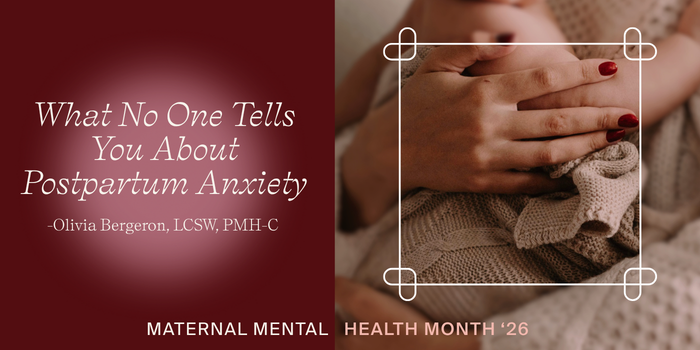
Postpartum anxiety can conjure images of new moms pacing their apartment, hovering over the crib, wracked with images of something terrible befalling their infant. This presentation definitely exists, but it is not the whole picture by far.
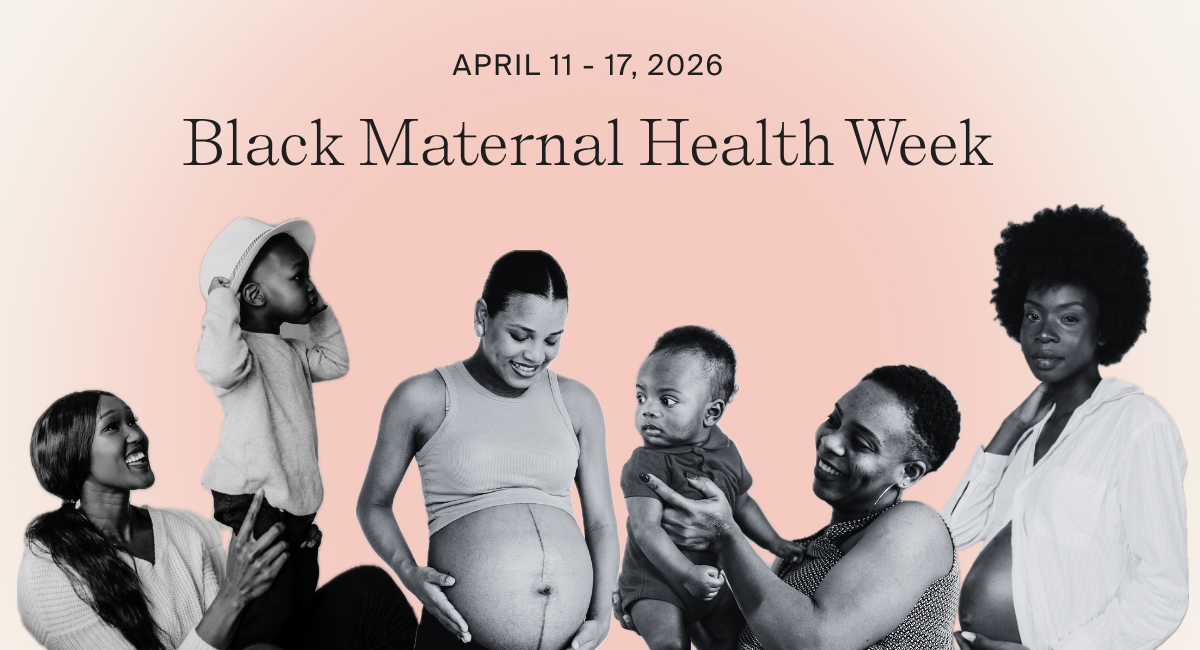
This year’s Black Maternal Health Week (BMHW) theme, Rooted in Justice & Joy, invites a shift: away from framing Black maternal health as a “problem to be solved” and towards evidence-based solutions that already exist within communities.
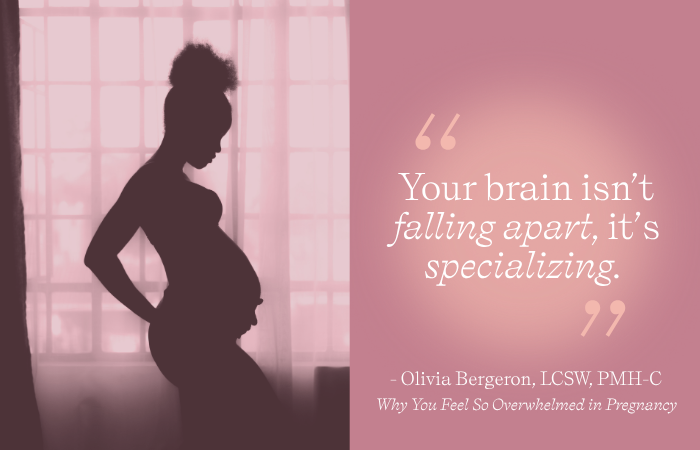
It's that feeling so many moms describe: the overwhelm that doesn't make sense (somehow, I used to manage all of this!), the emotional reactivity that feels out of character (I see red over the littlest inconveniences!), the 3am spiral when you can't turn your brain off (what if...then what?).
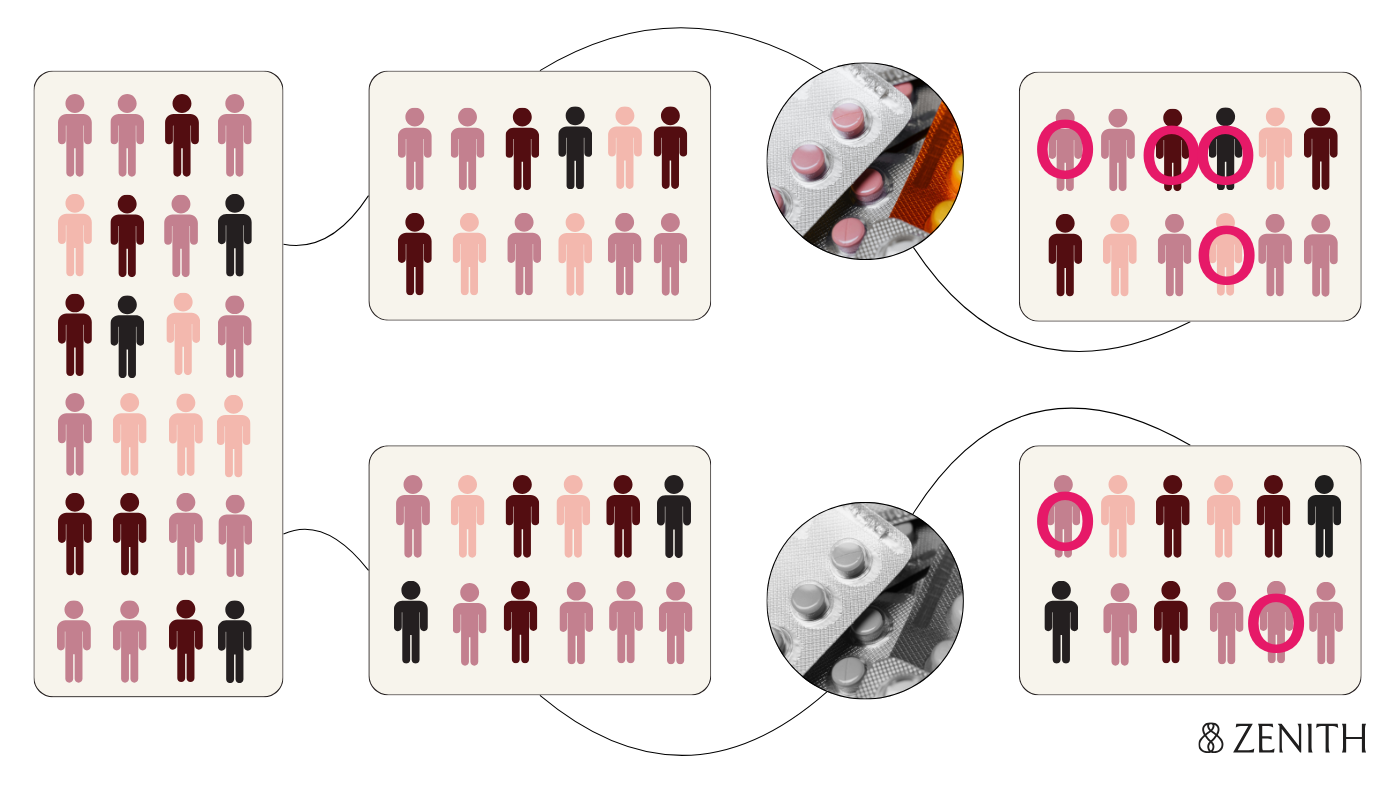
Contrary to what headlines and social media often suggest, science doesn’t actually deal in proof; it deals in probabilities. Studies give us estimates of how the world likely works, not absolute certainty – and the stronger their design and execution, the closer those estimates get to the truth.
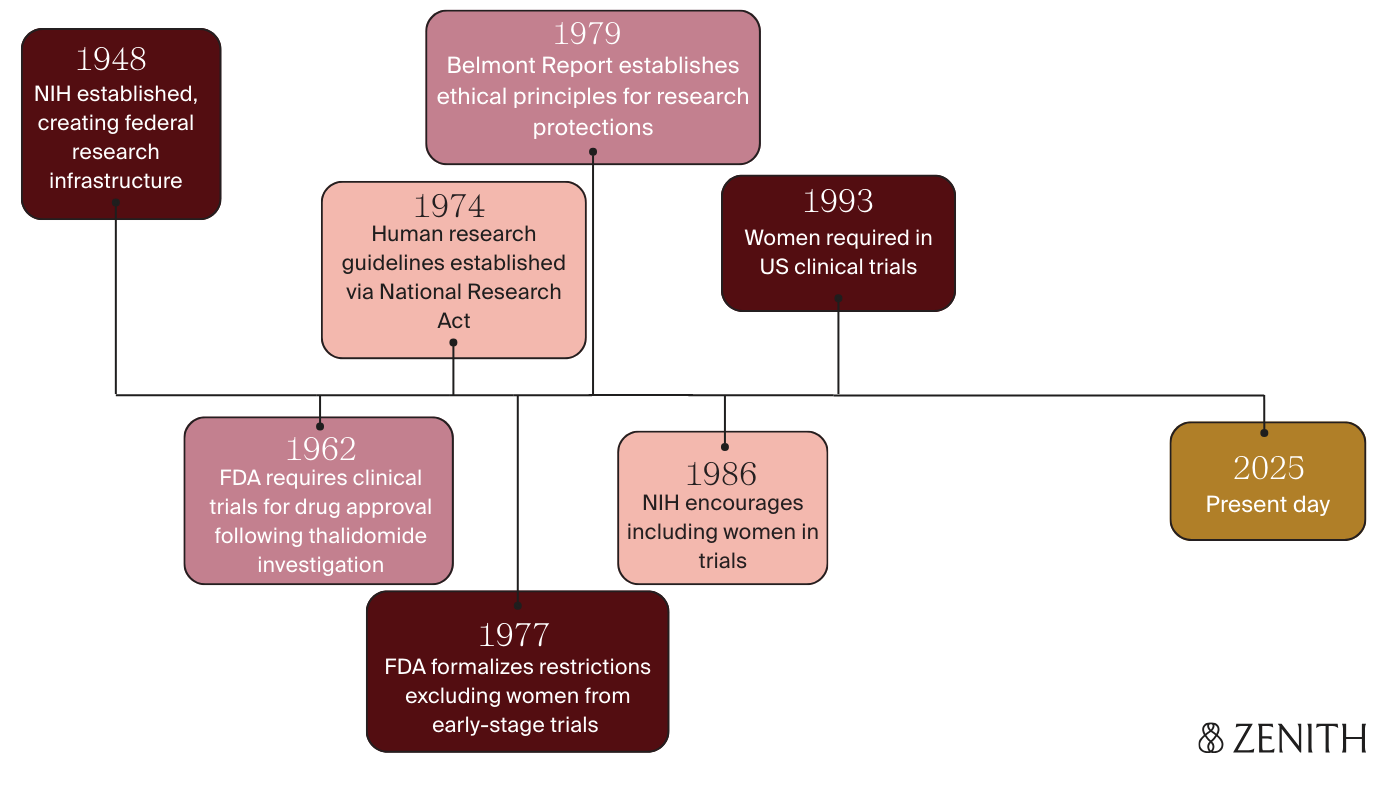
There’s a growing recognition among experts that excluding pregnant people from research may cause more harm than including them — after all, pregnant people take medications whether we study them or not. So how do we fill the gaps in evidence, when traditional clinical trials aren't possible?